
In the high-stakes world of competitive road cycling, the pursuit of absolute speed often boils down to finding marginal gains. When you have already optimized your carbon fiber frame, upgraded to deep-section aerodynamic wheels, and finely tuned your electronic shifting, there is one critical component left that directly impacts your output: your bearings. Embracing a high-end ceramic bearing upgrade has transitioned from an elite-level racing luxury into a highly sought-after performance modification for premium road and gravel setups.
But what is the actual engineering data behind this smooth technology, and is a premium upgrade truly worth the investment for your regular training sessions and weekend centurions? Today, the Monkeycycle Editorial Team breaks down the genuine efficiency gains of ceramic components. In this deep dive, we will share how proper technical maintenance keeps your machine rolling smoothly with minimal drag, helping you buy back free speed on the open road.
The Science of Ceramic Friction Reduction
Standard bicycle components typically utilize steel ball bearings inside the wheel hubs, bottom brackets, and rear derailleur pulley wheels. While high-grade steel performs adequately under normal loads, it possesses distinct structural and material limitations. In contrast, premium silicon nitride bearings (Si3N4) offer massive mechanical advantages that directly translate to enhanced rolling efficiency on the tarmac:
- Perfect Sphericity: High-grade ceramic balls are up to 128% harder and significantly rounder than premium steel balls, which drastically cuts down surface-level friction.
- Lower Rotational Resistance: Because the ceramic material is incredibly smooth, these components require less viscous grease, allowing the internal races to spin with minimal resistance.
- Material Longevity: Advanced ceramic compounds are lighter than standard steel counterparts and completely impervious to rust, extending the component's service life when maintained properly.
In real-world performance terms, upgrading the moving parts in your bottom bracket and hub shells can save anywhere from 1.5 to 4 watts of pure energy. While that number might appear small on paper, over a grueling 100-kilometer endurance ride or during a frantic competitive sprint, those saved watts directly preserve your leg strength and keep your cadence smooth.
Professional Installation and Bottom Bracket Service
To truly unlock the mechanical efficiency of a premium ceramic setup, absolute precision during the installation phase is mandatory. Ceramic materials are highly sensitive to microscopic misalignments. If a press-fit cup is pressed into a carbon frame unevenly—even by a fraction of a millimeter—it will cause uneven load distribution, accelerated wear, high friction, and the dreaded creaking noise under heavy pedaling load.
When getting an advanced bottom bracket service, a master mechanic follows a strict technical protocol to ensure flawless performance on the road:
- Shell Preparation: Completely cleaning, degreasing, and inspecting the frame's internal tolerances to remove any manufacturing debris or old carbon paste.
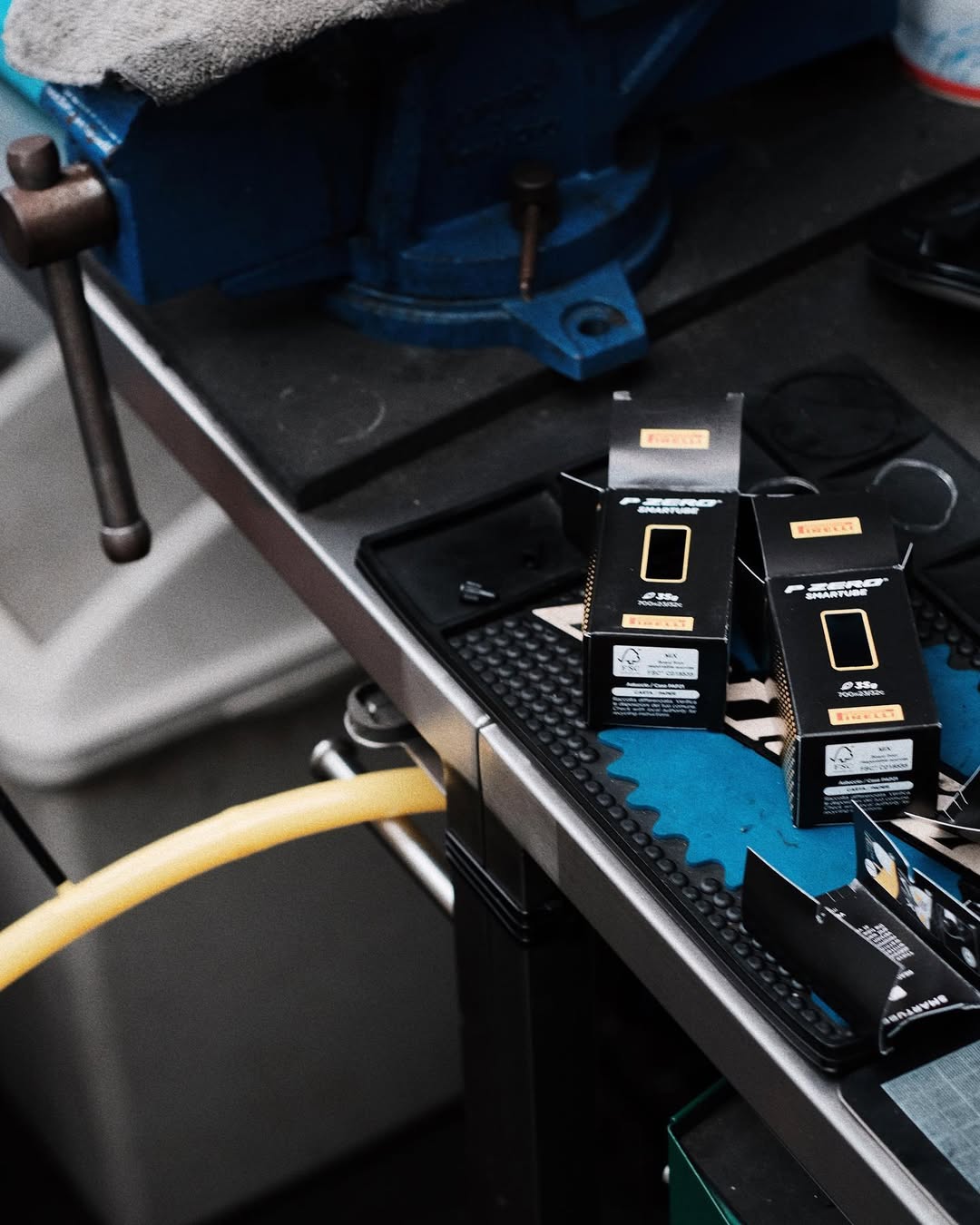
- Precision Pressing: Utilizing specialized, brand-specific bearing press tools to guarantee a perfectly parallel and millimeter-accurate seating inside the frame.
- Lubrication Tuning: Utilizing low-friction, high-performance lubricants engineered specifically for ceramics to isolate the bearings from the elements without causing drag.
Is It Worth the Performance Upgrade for Your Bike?
If you regularly ride a top-tier road machine and want to eliminate hidden watt losses, reducing your drivetrain rolling resistance with ceramic components is highly effective. However, it requires a clear commitment to routine technical care. Unlike heavy-duty sealed steel bearings that you can install and neglect for a year, elite ceramic systems require regular inspections to flush out fine road grit, sweat, and road spray—especially after riding in unpredictable tropical downpours.
For riders looking to test the waters, our technical recommendation is to start with your bottom bracket shell or your rear derailleur's oversized pulley wheels. These specific zones experience the highest rotational friction and constant chain load, meaning a ceramic upgrade here yields the most immediate and noticeable improvement in your pedaling fluid dynamics.
Before pulling the trigger on a new set of bearings, always consult with a professional technical team to inspect your frame tolerances and current axle alignments. Investing in professional installation guarantees that every single watt you save goes directly into making you ride faster, smoother, and completely unrestricted on your next big cycling pursuit.
Analyze your power, optimize your ride. Welcome to The Watt Lab.

Leave your comment
Note: HTML is not translated!